Hot-Dip Galvanizing (HDG) is an anticorrosive process in which an intermetallic compound coating is formed by immersing a steel workpiece in a molten zinc solution. The core principle is metallurgical bonding and sacrificial anode protection, the following is the detailed workflow and mechanism:
First, basic principles
Metallurgical bonding
At high temperature (about 450℃), iron (Fe) diffuses with molten zinc (Zn) to form an iron-zinc alloy layer (such as FeZn₇, FeZn₁₃, etc.). This alloy layer is tightly bound to the steel matrix to provide a physical barrier.
Sacrificial anode protection
Zinc has a lower electrode potential (-0.76V) than iron (-0.44V) and is preferently oxidized in a corrosive environment, delaying the corrosion of the steel matrix (even if the coating is damaged, zinc can still protect the iron).
Second, detailed explanation of the process flow
1. Pre-treatment: Clean the surface and ensure that the zinc liquid is in full contact with the steel
Degreasing:
Use alkaline solution (such as NaOH, 10-20% concentration) to remove the grease and dirt on the surface of the workpiece, the temperature is 60-80℃, and the time is 10-30 minutes.
Pickling:
Immersed in hydrochloric acid (10-20% concentration) or sulfuric acid, dissolved iron oxide (Fe₂O₃, Fe₃O₄, etc.). Reaction:

The pickling time needs to be precisely controlled to prevent overcorrosion (surface roughness).
Plating aid (Fluxing) :
Immersion in solution of zinc ammonium chloride (ZnCl₂·NH₄Cl) (pH 3-4). This removes the residual oxide and forms a protective film on the surface to prevent secondary oxidation. Then dry at 80-120℃.
Zinc liquid composition:
Pure zinc (≥98%), containing a small amount of aluminum (Al ≤0.02%), lead (Pb ≤1%) to improve the gloss of the coating and reduce zinc slag.
Temperature control: 445-465℃ (too high leads to increased zinc oxidation, too low affects fluidity).
Dipping process:
The workpiece is slowly immersed in zinc solution to avoid air retention.
The zinc liquid penetrates into the surface of the steel and the iron reacts with the zinc:
Fe+Zn→Fe-Zn alloy layer (Γ, δ, ζ phases)
Dipping time: 1-10 minutes, depending on workpiece thickness and structural complexity.
Three. Post-treatment: Optimize coating performance
CD:
Air cooling: natural cooling to form a dense coating.
Water cooling (rapid quenching) : refine the grain and improve the hardness of the coating.
Passivation:
Use chromates or environmentally friendly chromium-free passivators (such as silicates) to form passivating films to enhance corrosion resistance.
Trim:
Zinc nodules and burrs should be removed, and zinc should be added to the local missing plating area.
Four, coating structure
Divided into four layers from inside to outside:
Γ phase (Fe Zn₁₀) : The thinest (1-2μm), high hardness, and most closely bound to the matrix.
δ phase (FeZn₁₀) : dense cylindrical crystal, thickness about 50-80μm, main corrosion protection layer.
ζ (FeZn₁₃) : A loose layer containing free zinc, 20-40μm thick.
Pure zinc layer (η phase) : the outermost layer, providing sacrificial protection.
Five. Application scenarios and advantages
Typical applications:
Power tower, bridge steel structure, highway guardrail (life up to 50 years).
The plating thickness (≥85μm) should be increased in Marine environment.
Compare other processes:
Electrogalvanizing: thin coating (5-25μm), no alloy layer, weak corrosion resistance.
Zinc spraying: poor adhesion, can not form sacrificial protection.
Six. Common problems and solutions
Leakage plating: incomplete pre-treatment (residual grease or oxidation) → enhanced degreasing and pickling.
Zinc nodules: too fast dipping speed or zinc liquid impurities → optimize the lifting speed, regular slag removal.
Coating cracking: the cooling speed is too fast → Use air cooling or adjust the water cooling temperature.
Seven. Environmental Protection and safety
Waste gas treatment: The HCl produced by pickling is neutralized with NaOH; An air extraction system is arranged above the zinc pan.
Zinc slag recovery: the precipitation is separated and reused in the furnace to reduce the waste of resources.
Hot dip galvanizing provides long-term corrosion protection for steel through the dual mechanism of metallurgical reaction and electrochemical protection, and the scientific control of its process parameters is the core of ensuring quality.


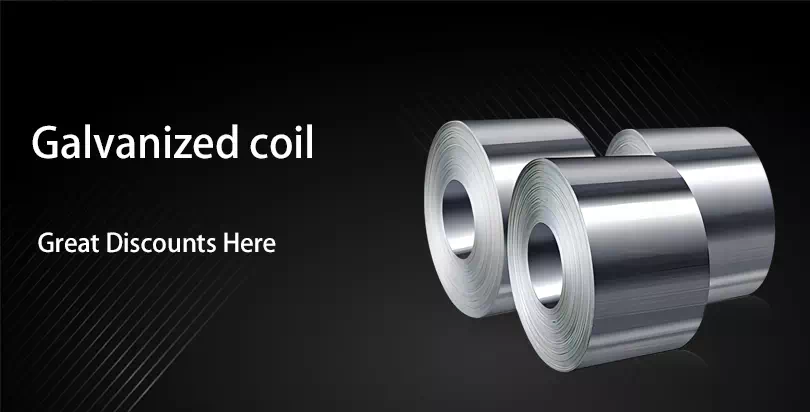


 is an anticorrosive process in which an intermetallic compound coating is formed by immersing a steel workpiece in a molten zinc solution. The core principle is metallurgical bonding and sacrificial anode protection.Drill)